
Best Indoor Air Quality Tools for Your Home

Indoor air quality has become a critical concern for homeowners and contractors alike. The quality of air inside a residence directly impacts health, comfort, and overall well-being. Various tools and devices have been developed to monitor, improve, and maintain optimal indoor air conditions. This article explores the best indoor air quality tools available, providing detailed insights and practical recommendations for enhancing air quality in residential settings.
Understanding Indoor Air Quality Tools
Indoor air quality tools encompass a range of devices designed to assess and improve the air within enclosed spaces. These tools serve multiple functions, including detecting pollutants, filtering contaminants, and regulating humidity levels. The selection of appropriate tools depends on specific needs, such as the presence of allergens, chemical pollutants, or particulate matter.
Common categories of indoor air quality tools include:
Air Purifiers: Devices that remove airborne particles, allergens, and pollutants through filtration systems.
Ventilation Systems: Equipment that ensures adequate air exchange between indoor and outdoor environments.
Humidity Controllers: Tools that maintain optimal moisture levels to prevent mold growth and respiratory issues.
Air Quality Monitors: Instruments that detect and measure various air pollutants and environmental parameters.
Each category plays a vital role in maintaining a healthy indoor environment. The integration of these tools can significantly reduce exposure to harmful substances and improve overall air quality.

Selecting the Right Indoor Air Quality Tools for Your Home
Choosing the most effective indoor air quality tools requires a thorough understanding of the specific air quality challenges present in the home. Factors such as geographic location, building materials, occupant activities, and existing HVAC systems influence the selection process.
Air Purifiers
Air purifiers are essential for removing particulate matter such as dust, pollen, pet dander, and smoke. High-efficiency particulate air (HEPA) filters are widely regarded as the most effective filtration technology. When selecting an air purifier, consider:
Filter Type: HEPA filters capture particles as small as 0.3 microns.
Coverage Area: Ensure the device is rated for the size of the room or area.
Additional Features: Activated carbon filters for odors and volatile organic compounds (VOCs).
Ventilation Systems
Proper ventilation is crucial for diluting indoor pollutants and introducing fresh air. Mechanical ventilation systems, such as energy recovery ventilators (ERVs) and heat recovery ventilators (HRVs), provide controlled air exchange while conserving energy. Key considerations include:
Air Exchange Rate: The volume of outdoor air introduced per hour.
Energy Efficiency: Systems that minimize heat loss or gain.
Integration: Compatibility with existing HVAC infrastructure.
Humidity Controllers
Maintaining indoor humidity between 30% and 50% is optimal for comfort and health. Dehumidifiers and humidifiers regulate moisture levels, preventing mold growth and respiratory discomfort. Selection criteria involve:
Capacity: Ability to handle the volume of air in the space.
Control Precision: Digital controls for accurate humidity settings.
Maintenance Requirements: Ease of filter replacement and cleaning.
Air Quality Monitors
Air quality monitors provide real-time data on pollutants such as carbon dioxide (CO2), carbon monoxide (CO), particulate matter (PM2.5), and VOCs. These devices enable informed decisions regarding ventilation and filtration. Important features include:
Sensor Accuracy: Reliable detection of multiple pollutants.
Data Display: Clear and accessible readings.
Connectivity: Integration with smart home systems for alerts and automation.
The combination of these tools tailored to specific home environments ensures comprehensive air quality management.
Do Indoor Air Quality Monitors Actually Work?
The effectiveness of indoor air quality monitors depends on their design, sensor quality, and proper usage. These devices are engineered to detect a range of pollutants and environmental factors, providing valuable insights into indoor air conditions.
Sensor Technology and Accuracy
Modern air quality monitors utilize advanced sensors capable of detecting particulate matter, gases, and humidity levels. However, sensor accuracy can vary significantly between models. High-quality monitors employ calibrated sensors that provide consistent and reliable data.
Practical Applications
Air quality monitors serve several practical purposes:
Identifying Pollution Sources: Detecting elevated levels of pollutants to locate sources such as cooking fumes or chemical off-gassing.
Guiding Ventilation Decisions: Informing when to increase ventilation or activate air purifiers.
Monitoring Trends: Tracking changes in air quality over time to assess the effectiveness of interventions.
Limitations and Considerations
While air quality monitors are valuable tools, certain limitations exist:
Calibration Needs: Sensors may require periodic calibration to maintain accuracy.
Environmental Interference: Factors such as humidity and temperature can affect readings.
Interpretation of Data: Users must understand the significance of measurements to take appropriate action.
In summary, indoor air quality monitors are effective when selected carefully and used in conjunction with other air quality tools. They provide essential data that supports proactive air quality management.
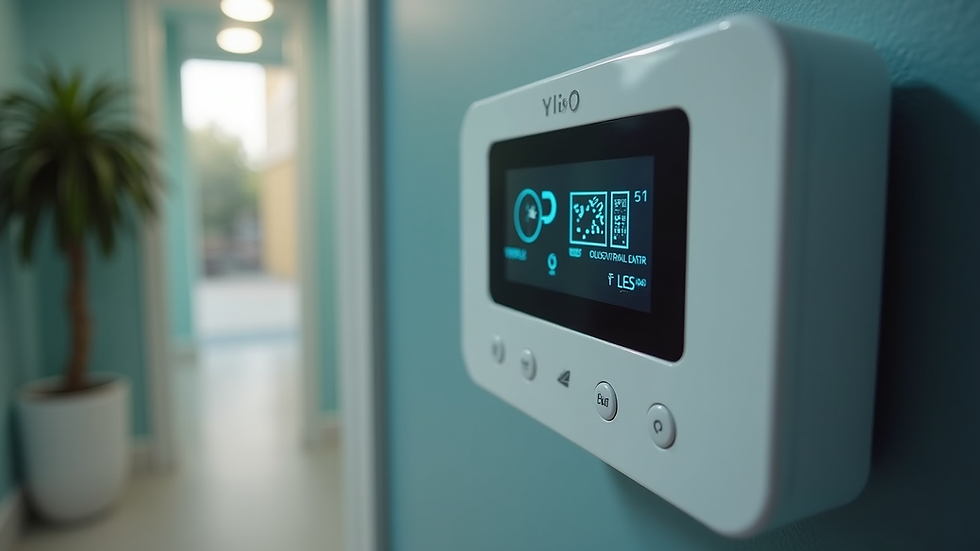
Integrating Indoor Air Quality Tools with HVAC Systems
The integration of indoor air quality tools with existing HVAC systems enhances overall performance and efficiency. HVAC systems are central to air circulation, temperature control, and filtration within homes.
Air Filtration Enhancements
Upgrading HVAC filters to higher MERV (Minimum Efficiency Reporting Value) ratings improves the capture of fine particles. Filters rated MERV 13 or higher are recommended for effective removal of allergens and pollutants.
Ventilation Control
Incorporating mechanical ventilation devices such as ERVs or HRVs into HVAC systems ensures consistent air exchange without compromising energy efficiency. These systems recover heat or coolness from exhaust air, reducing energy consumption.
Humidity Management
HVAC systems equipped with integrated humidifiers or dehumidifiers maintain optimal moisture levels. This integration prevents issues related to excessive dryness or humidity, such as static electricity or mold growth.
Smart Controls and Automation
Advanced HVAC systems can be paired with smart thermostats and air quality monitors to automate air quality management. Automated adjustments to ventilation rates and filtration settings optimize indoor air conditions based on real-time data.
Proper installation and maintenance of these integrated systems are essential to maximize benefits and ensure long-term reliability.
Practical Recommendations for Maintaining Optimal Indoor Air Quality
Maintaining high indoor air quality requires a combination of appropriate tools, regular maintenance, and informed practices. The following recommendations provide actionable steps for homeowners and contractors:
Conduct Air Quality Assessments: Utilize air quality monitors to identify pollutants and assess baseline conditions.
Select Appropriate Tools: Choose air purifiers, ventilation systems, and humidity controllers based on specific needs and space requirements.
Regular Maintenance: Replace filters, clean devices, and service HVAC systems according to manufacturer guidelines.
Control Pollution Sources: Minimize indoor smoking, use low-VOC materials, and ensure proper ventilation during cooking and cleaning.
Monitor Continuously: Use air quality monitors to track changes and respond promptly to deteriorations.
Educate Occupants: Inform residents about practices that support air quality, such as proper ventilation and humidity control.
By implementing these strategies, indoor environments can be maintained at healthy and comfortable air quality levels.
Advancing Indoor Air Quality in Sarasota and Tampa Bay Homes
The unique climate and environmental conditions of the Sarasota and Tampa Bay areas necessitate specialized approaches to indoor air quality management. High humidity levels and seasonal allergens present ongoing challenges.
Local HVAC professionals play a crucial role in providing tailored solutions that address these regional factors. Expertise in selecting and installing appropriate indoor air quality tools ensures that homes remain safe and comfortable year-round.
The commitment to professional service and quality installation supports the goal of becoming the preferred provider of HVAC and air quality solutions in the region. Homeowners benefit from reliable systems that enhance health, comfort, and energy efficiency.
For those seeking to improve their indoor environment, exploring the range of indoor air quality products available is a prudent first step. Partnering with experienced professionals guarantees optimal results and peace of mind.
This comprehensive overview of indoor air quality tools provides a foundation for informed decision-making. The integration of advanced devices and systems, combined with diligent maintenance and monitoring, establishes a healthy indoor atmosphere conducive to well-being and comfort.


Comments