
Comprehensive Guide to AC Installation

The process of installing an air conditioning system requires careful planning, technical knowledge, and adherence to safety standards. Proper installation ensures optimal performance, energy efficiency, and longevity of the unit. This guide provides a detailed overview of the essential steps and considerations involved in the installation of air conditioning systems, tailored for homeowners and general contractors seeking reliable information.
Understanding the Guide to AC Installation
The installation of an air conditioning system involves multiple stages, each critical to the overall success of the project. Initially, a thorough assessment of the property is conducted to determine the appropriate type and size of the unit. Factors such as square footage, insulation quality, and existing ductwork are evaluated. Selecting the correct system capacity is vital to avoid issues such as inadequate cooling or excessive energy consumption.
Following the assessment, the installation site is prepared. This includes ensuring proper electrical connections, adequate drainage for condensate, and sufficient space for airflow around the unit. The indoor and outdoor components must be positioned to maximize efficiency and minimize noise disruption.
The installation process itself involves mounting the indoor evaporator coil and the outdoor condenser unit, connecting refrigerant lines, and integrating the thermostat controls. Each connection is tested for leaks and proper function before the system is commissioned. Finally, the installer provides guidance on system operation and maintenance to the property owner.
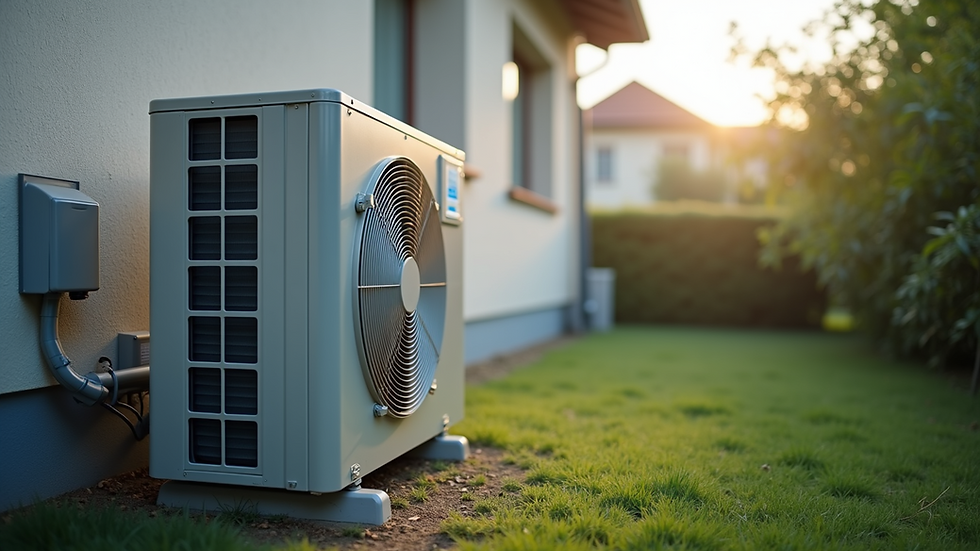
Outdoor condenser unit positioned for optimal airflow
Key Components and Their Installation Requirements
An air conditioning system consists of several key components, each requiring specific installation procedures:
Evaporator Coil: Installed inside the air handler or furnace, the coil must be securely mounted and insulated to prevent energy loss.
Condenser Unit: Located outdoors, this unit requires a stable, level surface and clearance from obstructions to ensure proper heat dissipation.
Refrigerant Lines: Copper tubing connects the evaporator and condenser. These lines must be carefully routed, insulated, and leak-tested.
Thermostat: The control interface should be installed in a central location away from direct sunlight or heat sources to provide accurate temperature readings.
Drainage System: Proper drainage for condensate is essential to prevent water damage and mold growth.
Each component’s installation must comply with local building codes and manufacturer specifications. Electrical wiring should be performed by a licensed electrician to ensure safety and code compliance.

Copper refrigerant lines being securely connected
What is the $5000 Rule for AC?
The $5000 rule is a budgeting guideline often referenced in the context of air conditioning installation and replacement. It suggests that homeowners should expect to invest approximately $5000 for a complete, professional installation of a central air conditioning system. This figure includes the cost of the unit, labor, permits, and any necessary modifications to existing infrastructure.
This rule serves as a benchmark rather than a fixed price, as actual costs vary depending on factors such as:
System size and efficiency rating
Complexity of installation (e.g., new ductwork or electrical upgrades)
Geographic location and local labor rates
Brand and model of the air conditioning unit
Understanding this rule helps in setting realistic expectations and preparing financially for the project. It is advisable to obtain multiple quotes from reputable contractors to ensure competitive pricing and quality workmanship.
Best Practices for Ensuring Efficient AC Installation
Efficiency and reliability are paramount in air conditioning installation. The following best practices are recommended:
Accurate Load Calculation: Utilize Manual J or equivalent methods to determine the cooling load accurately.
Proper Sizing: Avoid oversizing or undersizing the unit to prevent short cycling or insufficient cooling.
Sealing and Insulation: Ensure all ductwork is sealed and insulated to minimize energy loss.
Correct Refrigerant Charge: Verify refrigerant levels according to manufacturer specifications.
System Testing: Conduct thorough testing of airflow, temperature differential, and electrical components.
Documentation and Warranty: Maintain detailed records of installation and ensure warranty registration.
Adherence to these practices results in improved system performance, reduced energy costs, and extended equipment lifespan.
Selecting a Professional HVAC Service Provider
Choosing a qualified HVAC service provider is critical to the success of the installation. The provider should demonstrate:
Licensing and certification in HVAC installation
Experience with various air conditioning systems
Positive customer reviews and references
Transparent pricing and detailed estimates
Commitment to post-installation support and maintenance
For residents in the Sarasota and Tampa Bay areas, Armada-air offers comprehensive services including installation, repair, and maintenance. Their expertise in air quality solutions and customer-focused approach positions them as a reliable partner for HVAC needs.
The process of ac installation should be entrusted to professionals who prioritize safety, efficiency, and customer satisfaction.
Maintaining Optimal Performance Post-Installation
After installation, regular maintenance is essential to preserve system efficiency and prevent breakdowns. Recommended maintenance tasks include:
Replacing or cleaning air filters every 1-3 months
Inspecting and cleaning coils annually
Checking refrigerant levels and pressures
Ensuring proper drainage and clearing condensate lines
Scheduling professional inspections and tune-ups
Proactive maintenance reduces energy consumption, extends equipment life, and maintains indoor air quality.
This comprehensive guide has outlined the critical aspects of air conditioning installation, from initial assessment to post-installation care. By following these guidelines and engaging qualified professionals, property owners can ensure a comfortable and energy-efficient indoor environment for years to come.


Comments